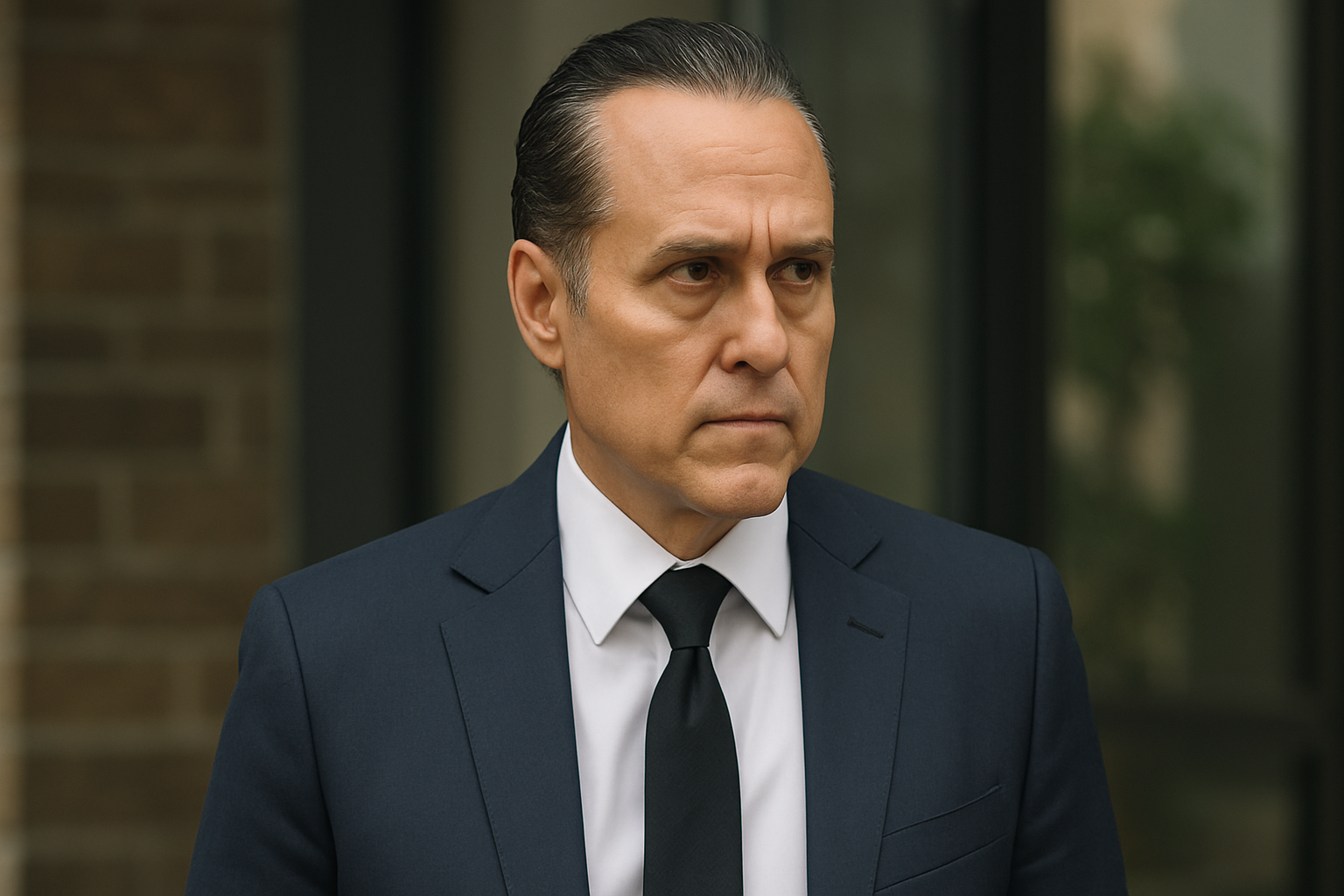
Maurice Benard has spent more than three decades playing a man who orders murders and runs criminal empires. And General Hospital still wants the audience to root for him. That is the strange, durable magic of Sonny Corinthos, the mob boss Benard has embodied since the early 1990s. On paper, he is a villain. On screen, he is one of the most beloved characters in daytime television. The contradiction is the whole point.
Why Maurice Benard Sonny Corinthos Still Works
Soap operas thrive on characters who live in the gray. Sonny Corinthos lives there permanently. He has blood on his hands, yet he is also a devoted father, a loyal friend, and a man who believes he answers to a higher moral ledger. That tension is what keeps viewers invested. Benard has said the character claims to follow a code. That code is what separates Sonny from a simple thug in a suit. It gives him rules, limits, and a twisted sense of honor.
The actor has been candid over the years about how demanding the role is. Playing a mob boss means playing power, paranoia, and tenderness in the same scene. Benard's Sonny can threaten a rival and then sit down to dinner with his children without missing a beat. That range is why the character has survived decades of cast changes, network shifts, and shifting audience tastes.
What Sonny Corinthos' Code Actually Means
Sonny's code is not a legal document. It is a personal philosophy. He protects family. He punishes betrayal. He believes he is loyal to the people who are loyal to him. In his mind, that makes him different from the men he fights. General Hospital has leaned into that idea for years, letting Sonny justify terrible acts through the lens of love and duty.
That is also why fans argue about him. Some see a criminal who should answer for his crimes. Others see a complicated antihero who tries, in his own broken way, to do right by the people he loves. The show rarely resolves that debate. It just keeps pushing Sonny into new corners where the code gets tested.
A Mob Boss You Are Supposed to Root For
It is an unusual ask for any series. Make the audience care about a man who has ordered killings. General Hospital pulls it off because Benard plays Sonny with warmth and vulnerability, not just menace. He can be terrifying, but he can also be gentle. That duality is the engine of the character. Viewers do not forget what Sonny has done. They just keep hoping he will choose differently next time.
Benard has talked about the role as a long-term commitment, one that has shaped his career and his public identity. After more than 30 years, Sonny Corinthos is not just a character. He is a fixture of American daytime television. New writers, new producers, and new storylines keep arriving, but the core remains the same. A mob boss with a code, trying to convince himself and everyone else that he is still the good guy.
The Enduring Appeal of Maurice Benard Sonny Corinthos
Soap fans love longevity. They love watching a character grow, stumble, and rebuild across decades. Sonny Corinthos offers all of that. He has been married, widowed, betrayed, and redeemed more times than most viewers can count. Through it all, Benard has kept the performance grounded. He never plays Sonny as a cartoon. He plays him as a man who believes his own story.
That is the real trick. General Hospital does not ask you to forgive Sonny. It asks you to understand him. And after 30-plus years, that invitation still works. Whether you see him as a hero, a villain, or something messier in between, Sonny Corinthos remains one of the most compelling figures on daytime TV.
What do you think? Does Sonny's code make him a hero, or just a criminal with good PR? Let us know in the comments.